
By: Nandani Samuel-Registered Dietitian (BSc RD, Dip ICND, Dip Patient Advocacy) via the CSSL Family Caregivers Guide
Eating healthy means eating a well-balanced diet to give your body the right amount of nutrients it needs to function at its best.
These nutrients would include carbohydrates, proteins, fats, and vitamins and minerals. Choosing healthy foods may be very difficult for some but having a well-balanced plate is the easiest way you can guide yourself towards this.

Here are ten tips to be mindful of when living with diabetes:
- Avoid skipping meals.
- Include a good source of fibre food with main meals or snacks to meet daily requirements of 25 grams or greater.
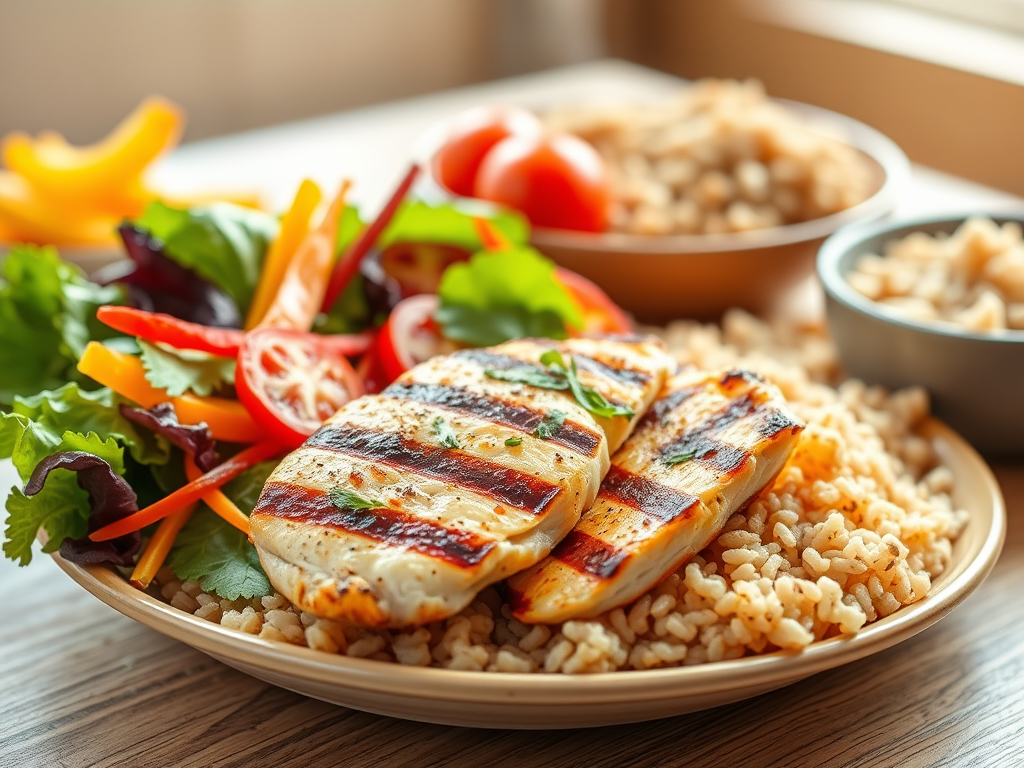
- Eat leaner cuts of meats and poultry. Example: chicken breast
- Limit processed foods. Instead choose fresh or frozen foods.
- Decrease saturated fats. You can use low-fat milk, cheese, or butter. Remove excess skin/fat from meats when cleaning.
- Use fresh seasonings instead of packaged seasonings.
- Limit consumption of sweets.
- Be mindful of healthier cooking methods. Instead of deep-frying, try grilling, baking, or steaming as a healthier option.
- Ensure your main meal combinations are inclusive of a complex carbohydrate group, a lean protein source, and a vegetable. For example, brown rice, stewed peas with chicken breast, and a small cucumber.
- Eat on time, every 2-3 hours so that your blood sugar levels do not fall too low or increase, for example, breakfast, healthy snack, lunch, healthy snack, dinner, bed-time snack.
Healthy eating on a budget:
- Shop for produce in season. Local produce that is in season may be typically cheaper and more nutritious in comparison to those that are not. If you purchase too much you can always freeze the rest for a later date.
- Grow your own produce. Seeds are relatively cheap, and you can use them to grow a simple kitchen garden so you have a continuous supply of homegrown foods which can decrease the amount of money you spend at the market.
- Plan your own meals. When it comes to saving money, planning is always essential. Plan your meals for a specific period and only purchase what you know you are going to use to ensure that you don’t end up throwing away any items. Make a grocery list by scanning your cabinets and fridge to see what you already have.
- Reuse leftovers. You can prepare a healthy meal with your leftovers depending on your cooking methods. For instance, if you cook rice, lentils, chicken, and salad today and you have remaining lentils, you can use it the next day to make a lentil soup or lentil loaf for lunch.
- Cook at home. Money spent to purchase a meal for one person can be used to prepare a meal for multiple persons. Having home-cooked meals may be more nutritious and can also be a fun activity for you and your family.
For more information visit: https://diabetes-tt.org
Leave a Reply